
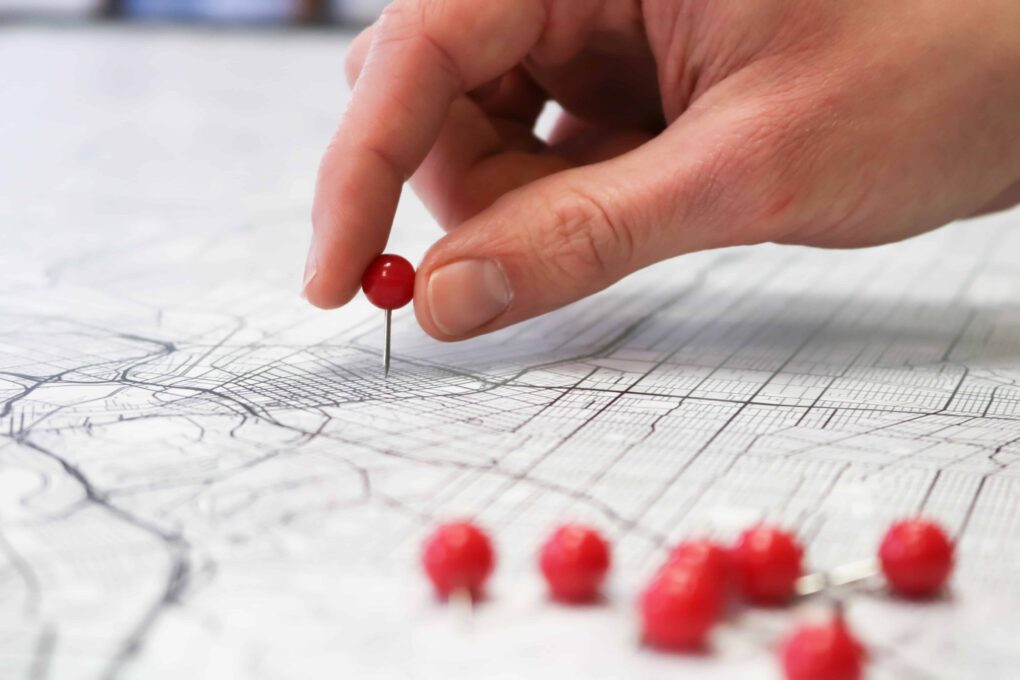
Selecting the right location is a crucial decision that can significantly impact the success of your small business. A business’s location influences not only its ability to attract customers but also access to the resources, suppliers, and infrastructure needed to operate effectively and efficiently. For example, a bakery or food truck may benefit from a high-traffic area with excellent visibility, while a manufacturing or construction business may prioritize proximity to suppliers and distribution networks. Beyond supporting daily operations and future expansion, conducting thorough research before choosing a location can also strengthen loan applications and increase credibility with potential investors, lenders, and business partners. Selecting the right location requires careful planning and thoughtful consideration to position your business for long-term growth and success.
You can also receive free professional business advice and free or low-cost training from your local Small Business Development Center!
Resources for Choosing a Location
It can be overwhelming to find all the proper information to consider in your site selection. While there may be additional considerations, our in-depth guide will help you get started with the process.
- Pick your Business Location – U.S. Small Business Administration
- How to Choose a Business Location – LivePlan
- The Factors of a “Good” Location – Investopedia
- Find a location – Library of Congress
- Choosing a Location for Your Business – Bank of America
- How to Find the Best Location – Chase
Local Market Demographics
Understanding your local market’s demographics can help you identify who your customers are and how they live, work, and spend their money. Data such as population, age, income, and transportation habits can provide valuable insight into local demand for your products or services. Keep these factors in mind when conducting research into your market and consider how it may impact your business. While tourism businesses and event centers may attract customers from across the state or beyond, businesses like coffee shops, pet supply stores, and other neighborhood services typically draw most of their customers from a much smaller geographic area.
To access this data, you can consult your local city or county’s website, economic development foundation, as well as resources from the U.S. Census Bureau & U.S. Bureau of Labor Statistics:
- Data.Census.Gov – the main tool used to access official Census data for your area.
- Consumer Spending Reports – The Bureau of Labor Statistics tracks and publishes consumer spending on various categories.
- Census Business Builder – tool for basic mapping of demographic and spending information.
Competitors
A strategic business location balances visibility, market demand, and accounts for competition. When evaluating potential sites, consider both direct and indirect competitors in the area. For example, if you operate a pizzeria, your competition extends beyond other pizza restaurants and fast food establishments to include a wide range of dining options that may attract the same customer base. Understanding the full scope of nearby food service businesses can help you identify opportunities to differentiate your offerings and capture market share. Some paid databases will standardize and compile competitor information for you, but also consider the resources below available at low or no cost:
- Local business directory – Yelp
- An online search tool for finding local businesses – Superpages
- Connects manufacturing and wholesale companies – Thomasnet
- Small business search directory – Manta
- Methods to locate local competitors online – U.S. Chamber of Commerce (1)
Local Taxes
In addition to important local taxes, the growth of online retail and increasing connectivity worldwide has led governments to refine and strengthen rules around taxes and how they are applied. If your business is selling across state lines, make sure to understand how taxes are applied on both the seller’s and buyer’s locations. Consulting with a tax professional is recommended to ensure you meet all requirements.
- Credits and deductions for businesses – IRS
- Sales Tax Nexus Guide by State – Avalara
- Economic Nexus State by State Chart – Sales Tax Institute
Utilities
As a part of your recurring operational costs, utilities are a crucial consideration for choosing a location. Common utilities needed for a small business include electricity, gas, water, and communication services. Restaurants will need heating and water, online businesses will need fast and stable internet service, and most customer-facing brick-and-mortar establishments will need climate control. Additionally, utility costs can vary significantly by provider and location. When developing your operating budget, estimate these expenses carefully and compare available service providers for cost-effective services.
- Costs Every Startup Should Plan For – U.S. Chamber of Commerce (2)
- Utility Expenses – Sm.Biz. Coach
- How to Calculate a Percentage of Utilities for a Business – Chron
- Estimating Utility Costs for Small Businesses – Constellation
Choosing a Location for Franchises
If you are considering starting a franchise location, the franchisor will often assign a specific territory for your operations. Many franchise systems use exclusive territories to help manage market coverage and reduce competition among franchisees. Since terms and conditions vary by franchise, be sure to review your franchise agreement carefully to understand any territorial rights, restrictions, and protections that apply to your business.
- SBDCNet’s comprehensive guide to Franchises – Franchise Guide
- Strategies on planning Franchise Territory – Franchise Creator
Site Selection Tools & Resources
Evaluating Business Locations
Various tools exist that can help you obtain information about a potential business location, often referred to as “business intelligence” or “site selection” tools. In many cases, access to them can be extremely cost prohibitive. However, through your local SBDC advisor, SBDCNet can provide customized reports on a location you are considering. The benefits of these reports are they are easy to read, informative, present a comprehensive view of location, and can be presented to any potential party to show you’ve done your due diligence.
Traffic Counts
Considering the number of people who pass by your business location on a daily basis can help get an idea of the number of potential customers in the area. Many private companies can set up a road survey for you at a high cost so consider checking with your state’s Department of Transportation. Most states track and publish data on major roads, and some larger cities collect data on their own streets as well.
Relocation Incentives for Choosing a Location
When choosing a location, local and state government agencies may provide relocation or onshoring incentives in the form of tax abatements, grants, utility savings, or low-interest loans. These often come with the condition that a certain number of jobs are created, or a certain amount of money is spent or invested in the community. Local and state economic development associations have access to these programs and can review if they are applicable to your situation. Consult the lists of state agencies below and check with your city or county’s economic development agency.
- US Economic Development Directory – U.S. Economic Development Administration
Additional Small Business Resources
Already in business or thinking about starting your own small business? Check out our various small business resources:
- View more small business help topics here: Small Business Information Center
- View more business reports here: Small Business Snapshots
- View industry-specific research here: Market Research Links
- View business plans samples here: Sample Business Plans
- View our small business cybersecurity resources here: Small Business Cybersecurity
Remember, you can also receive free professional business advice and free or low-cost business training from your local Small Business Development Center!
Photo by GeoJango Maps on Unsplash