It is essential for small business owners to have a well‑developed emergency preparedness plan in place. To explore resources that can help your business stay resilient during unexpected events, dive into our guide on small business emergency preparedness.
View our related small business guides here: Succession Planning, Employee Ownership, Finance, Tax & Accounting.
You can also receive free professional business advice and free or low-cost training from your local Small Business Development Center!
Emergency Preparedness for Small Business
Small businesses across the U.S. face increasing risks from hurricanes, wildfires, floods, cyber incidents, and other disruptions. Analysis summarized in the most recent Congressional Research Service report on Federal Disaster Assistance for Businesses, indicates that about 40% of businesses never reopen after a disaster and another 25% close within one year, especially when they lack a continuity plan. Complementary findings from the U.S. Chamber of Commerce Foundation’s latest Impact Report on Small Business Readiness for Resiliency, drawing on FEMA data, show that only 26% of small businesses have a written disaster plan. This lack of planning highlights how vulnerable many firms remain when disaster strikes or other emergencies arise.
This guide provides a directory of national, no‑cost resources to help U.S. small businesses strengthen disaster preparedness, business continuity, and recovery. It highlights SBA disaster assistance and other federal tools to help you quickly locate the appropriate federal, nonprofit, and SBDC-related support for every stage of a disaster.
Here are some emergency preparedness resources from the U.S. Small Business Administration (SBA):
- Business Resilience Guide – step by step SBA guide to assess risk, plan for continuity, and rebuild stronger after a disaster.
- Checklists – checklists for floods, hurricanes, tornadoes, wildfires, and hail.
- Prepare for Emergencies – overview of emergency planning, insurance, and readiness steps for small businesses.
- Recovering from a Disaster – guidance on rebuilding operations, finances, and facilities after a major event.
Business Continuity Resources
From hurricanes to electrical fires and everything in between, disaster can strike your small business at any time. Businesses of every size can strengthen their resilience during blue skies by putting a well‑designed business continuity plan in place. A strong plan should spell out how essential operations will continue during and after a disruption. It should also address financial preparedness, such as securing appropriate insurance coverage, and identifying backup funding sources so the business can stay afloat during recovery. By planning ahead, companies give themselves a far better chance of staying operational when the unexpected occurs. The following are national resources to assist with planning:
- Ready.gov – Department of Homeland Security hub with planning guides, toolkits, and templates.
- Prepare Your Workplace for Emergencies – checklists and guidance for workplace emergency plans and training employees.
- American Red Cross Ready Rating Program – program where businesses self-assess their level of preparedness, access plan templates, and improvement tools.
- Business Disaster Recovery Plan – business continuity toolkit from the Insurance Institute for Business & Home Safety.
- IRS Preparing for a Disaster: Taxpayers and Businesses – guidance on protecting and documenting tax and financial records.
- Hazard Information Sheets – reference guides from Ready.gov covering common hazards.
Disaster Preparedness Training & Exercises
It’s important for small business owners to receive the proper training and tools needed to navigate emergencies. Below are resources from the Federal Emergency Management Agency:
- Emergency Management Guide for Business and Industry – FEMA manual on building an emergency management and continuity program, with example plans and forms.
- PrepToolkit and the National Preparedness System – online collection of planning templates, exercise materials, and continuous improvement tools.
- Why Disaster Exercises Are Essential for Every Business – explanation of how drills and tabletop exercises improve coordination and recovery for small firms.
Cybersecurity as Emergency Preparedness
Cybersecurity is also a critical part of disaster preparedness. Using strong technology systems and AI‑enabled tools to protect digital infrastructure, customer data, and online operations helps ensure that a business can remain resilient. In addition, these protections make it easier for a business to recover quickly when cyber disruptions occur.
- SBDCNet’s Small Business Cybersecurity Resource Center – multiple guides to assist small businesses
- Guidance for Small Businesses – Cybersecurity & Infrastructure Security Agency guidance on cyber hygiene and incident response.
- Securing Critical Systems – resources on securing critical systems and strengthening resilience across your technology environment.
- Strengthen Your Cybersecurity – SBA overview of cyber threats and practical steps to integrate cyber risk management.
SBA Disaster Assistance
The U.S. Small Business Administration provides low interest disaster loans to businesses of all sizes. These loans can help repair or replace real estate, equipment, inventory, and other business assets, or provide working capital when a disaster causes serious economic injury.
- Disaster Assistance – SBA disaster hub that explains available loan types, current declared disasters, and how assistance fits within the broader federal response.
- Economic Injury Disaster Loans (EIDL) – working capital loans that help eligible small businesses and nonprofits cover operating expenses when a disaster reduces revenue.
- Mitigation Assistance – additional loan funds that can be used for eligible mitigation projects.
- Military Reservist Economic Injury Disaster Loans – support for small businesses that suffer economic injury when an essential employee is called to active duty as a military reservist.
- How to Apply for an SBA Disaster Loan – USA.gov guidance on applying for an SBA disaster loan.
- MySBA Loan Portal – SBA portal used to apply for disaster loans and track application status.
- DisasterAssistance.gov – federal portal that screens your address for federal disaster assistance and links to SBA and other programs.
Additional Small Business Resources
Already in business or thinking about starting your own small business? Check out our various small business resources:
- View more small business help topics here: Small Business Information Center
- View more business reports here: Small Business Snapshots
- View industry-specific research here: Market Research Links
- View business plans samples here: Sample Business Plans
- View our small business cybersecurity resources here: Small Business Cybersecurity
Remember, you can also receive free professional business advice and free or low-cost business training from your local Small Business Development Center!
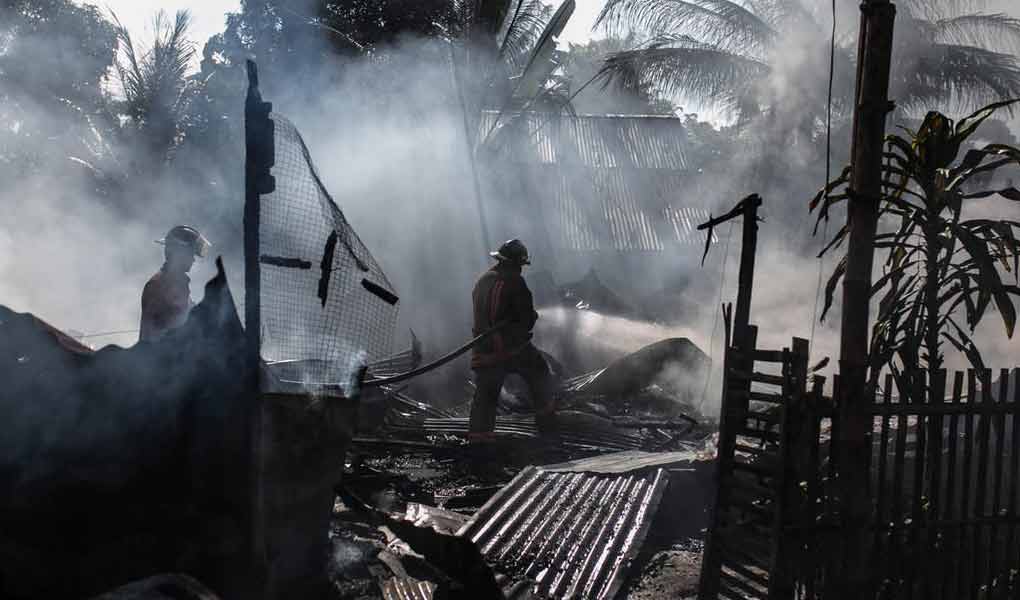
Photo by Denniz Futalan from Pexels